Last updated:
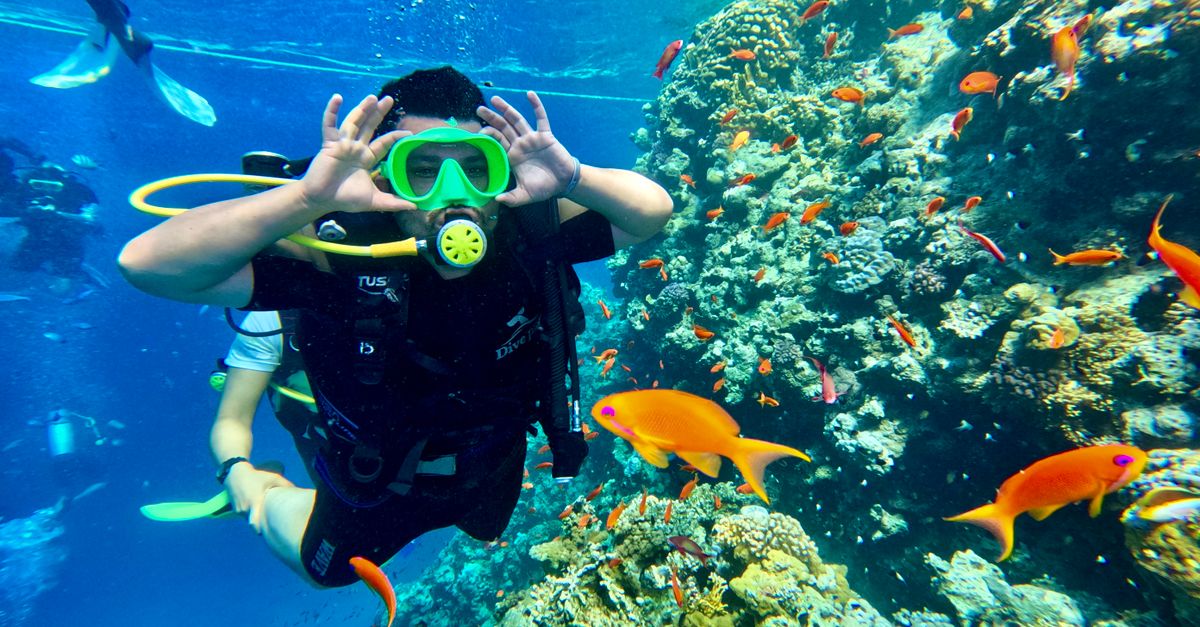
Eleuthera offers some of the best Eleuthera scuba diving opportunities in the Caribbean. This 110-mile island stretches through turquoise waters filled with vibrant coral reefs and marine life. The island welcomes divers of all skill levels. You will find calm, protected dive sites perfect for beginners. You will also discover challenging deep reefs for experienced divers. Eleuthera's warm waters and excellent visibility make diving accessible year-round.
The island sits in The The Bahamas, positioned at coordinates 25.1364, -76.1367. About 9,300 residents call Eleuthera home. Most speak English, making communication easy for international visitors. The island covers 457 square kilometers of land and surrounding ocean. Getting here is simple: fly into North Eleuthera Airport, then rent a car or take ground transportation to your resort.
Best Dive Sites in Eleuthera
Eleuthera features exceptional dive sites along both its Atlantic and Caribbean sides. Each location offers unique characteristics and marine encounters. The variety ensures every diver finds something memorable.
The Arch
The Arch stands as one of Eleuthera's most famous dive destinations. This underwater rock formation sits near Eleuthera's northeastern coast. You dive through a massive archway carved into the reef structure. Depths range from 40 to 60 feet. Large groupers, snappers, and sea turtles frequent this site. The current can run strong here, so only intermediate and advanced divers should visit. Visibility typically exceeds 80 feet on good days.
Twin Brothers
Twin Brothers consists of two coral-covered rock formations rising from the seafloor. These formations sit in the Eleuthera Channel. You will find depths between 50 and 70 feet. Pelagic fish species patrol the open water around these rocks. Eagle rays and spotted eagle rays frequently glide past divers. Nurse sharks rest on sandy patches between the formations. The site works well for intermediate to advanced divers.
Rainbow Reef
Rainbow Reef earns its name from the colorful coral and fish life covering the reef structure. This site suits divers of many skill levels. You will find shallow coral gardens in just 30 feet of water. Deeper sections reach 60 feet. Elkhorn coral formations create dramatic topography. Parrotfish, wrasses, and damselfish fill nearly every crevice. Beginners can stay in the shallows while advanced divers explore deeper sections.
Mermaid's Lair
Mermaid's Lair features a dramatic underwater cave system. The site sits in relatively shallow water between 35 and 50 feet. You enter a cave opening and navigate through chambers with sandy bottoms. Bioluminescent organisms create an ethereal atmosphere in dim sections. Tarpon and jacks hunt near the cave entrance. This site appeals to intermediate divers comfortable with cave navigation.
Pipe Creek
Pipe Creek offers a unique drift dive experience. You descend into a narrow channel with walls rising on both sides. Depths range from 40 to 70 feet. Strong currents push you through the channel past walls covered in soft corals. You drift past sponges, sea fans, and small reef fish. The current makes this site suitable for intermediate and advanced divers only.
PRO TIP: Book dive sites through established operators who understand local currents and seasonal conditions. They know exactly when each site offers the best visibility and safety conditions. Call ahead and ask about current conditions for your desired dive date.
Scuba Diving for Beginners in Eleuthera
Eleuthera welcomes beginning scuba divers with excellent shallow reef systems and calm conditions in many areas. You do not need previous diving experience to start. Many dive operators offer certification courses right on the island. The warm water and shallow dive sites create ideal learning conditions.
Most dive shops teach the PADI Open Water certification course. This certification takes three days to complete. You will spend time learning in the classroom and pool area first. Then instructors take you on four open water dives to apply your skills. The first two dives happen in shallow water around 30 feet deep. You will practice essential skills like clearing your mask underwater and controlling your buoyancy.
Popular beginner sites include Rainbow Reef's shallow sections and protected bays on the western side. These areas feature minimal current and excellent visibility. You will see colorful reef fish, sea turtles, and nurse sharks from your very first dive. Instructors limit group sizes to ensure personal attention.
Bring a personal log book or start a digital dive log. Record details about each dive including depth, duration, marine life seen, and weather conditions. This log becomes important documentation of your experience. Future dive operators will ask to see your log.
PRO TIP: Arrive on the island one day before your certification course. This gives you time to adjust to the climate and relax. You will dive better when you are not jet-lagged and stressed from travel.
Snorkeling in Eleuthera
Eleuthera's shallow reefs make snorkeling an excellent alternative to scuba diving. You do not need certification or special training. Grab a mask, fins, and snorkel, then explore the underwater world at your own pace. Many snorkeling sites require no boat transportation. You can wade from the beach directly into reef areas.
Popular Snorkeling Locations
Gaulding Cay offers shallow snorkeling just offshore from a small beach. Colorful fish schools, sea turtles, and rays inhabit these shallow waters. The sandy bottom means minimal sharp coral. Swimming distance from shore is short and easy. Families with young children do well here.
Lighthouse Beach near the town of Eleuthera features reef access just 50 feet from shore. Depths stay under 20 feet in the snorkeling area. Brain coral formations create interesting topography. You will see Nassau groupers, hogfish, and countless tropical fish species.
Tippy's Beach provides calm snorkeling conditions on the western shore. Nurse sharks rest on the sandy bottom in this area. They show no aggression toward snorkelers. Young sea turtles feed in the shallow seagrass beds nearby. Bring an underwater camera to document your encounters.
Snorkeling Tips for Eleuthera
Wear reef-safe sunscreen to protect the fragile coral ecosystem. Chemical sunscreens damage coral bleaching. Apply sunscreen 15 minutes before entering the water. Wear a rash guard or light diving shirt for additional sun protection. These shirts also prevent chafing from your snorkel gear.
Stay on designated snorkeling paths when possible. Do not touch coral or grab it to stabilize yourself. Coral polyps die when physically contacted. Practice neutral buoyancy and moving slowly through the water. Sudden movements scare away fish and disturb animals.
Bring plenty of fresh water to drink before and after snorkeling. Dehydration happens quickly under the tropical sun. Apply sunscreen to your ears, the back of your neck, and your scalp part. These areas burn easily and painfully.
Dive Schools and Operators
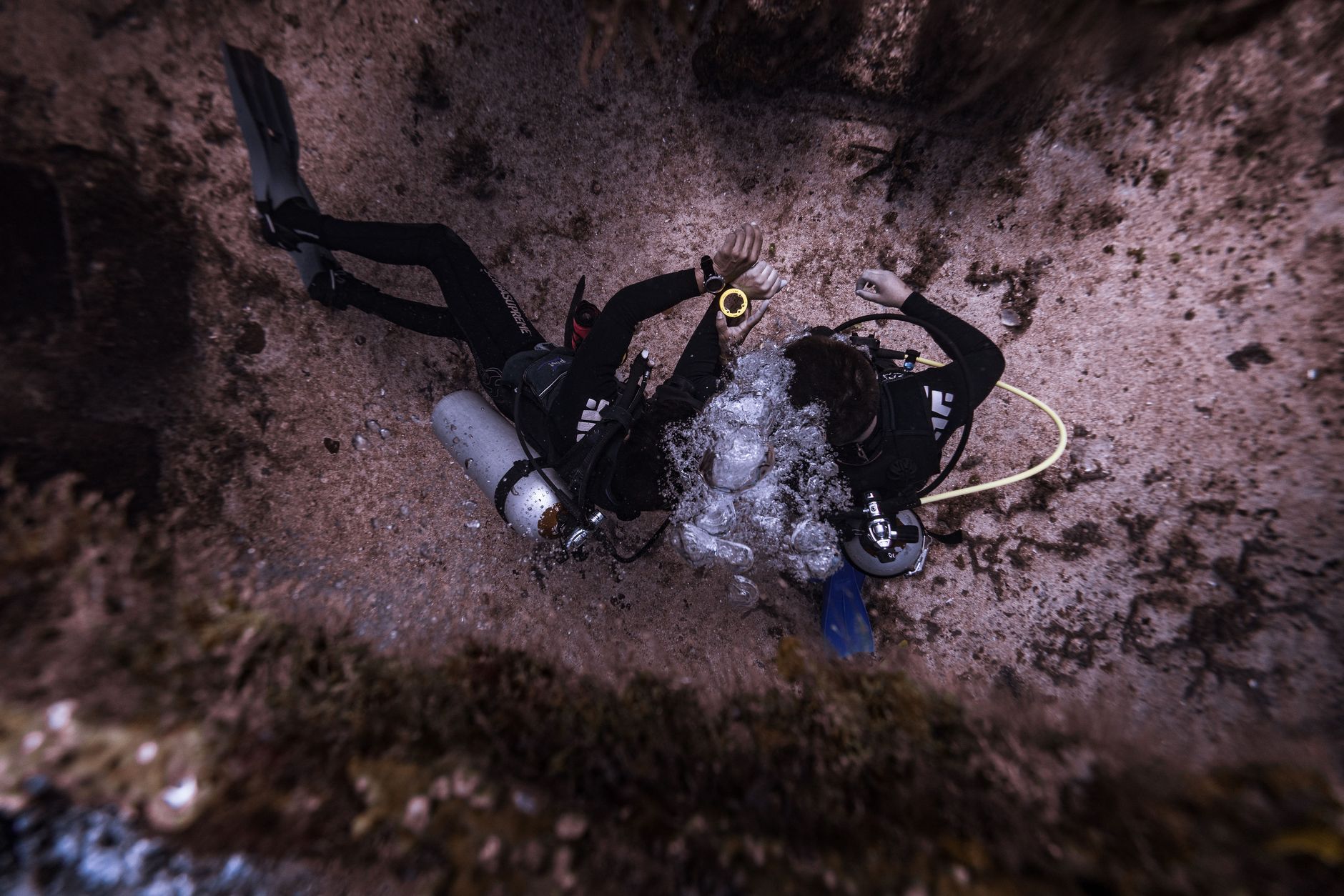
Several established dive operators work throughout Eleuthera. These companies employ certified instructors and maintain well-maintained equipment. They follow strict safety protocols and know local dive sites intimately.
Choosing a Dive Operator
Ask potential operators about their safety records and certifications. Verify they hold current insurance and that instructors maintain active certifications. Request references from recent divers. Check online reviews on diving forums and travel websites. Ask about their emergency protocols and evacuation procedures.
Inquire about group sizes for guided dives. Smaller groups mean more personal attention. Most reputable operators limit recreational dives to six divers per guide. Technical diving operations keep groups even smaller.
Check equipment condition carefully. Tanks should be clean with current hydro test dates. Regulators should feel smooth and breathe easily. BCDs should inflate and deflate without sticking. Do not use equipment that seems questionable. Ask about equipment rental costs separately from dive fees.
What To Expect at a Dive Shop
Arrive 30 minutes before your scheduled dive. You will complete paperwork including a medical history form and liability waiver. Tell staff about any injuries, medications, or health conditions. Honesty ensures they pair you with appropriate dives and instructors.
Staff will conduct a brief orientation covering the day's dive plan, site conditions, and hand signals. You will discuss surface support procedures and emergency contacts. Ask questions about anything unclear. A good operator encourages questions.
Equipment fitting happens next. Staff will adjust your BCD and weights to ensure proper fit. Your mask should seal without gaps. Your fins should slip on comfortably. You should be able to move freely without chafing.
PRO TIP: Book your dive operator in advance during peak season (November through April). Popular operators book up weeks ahead. Advance booking also allows you to request specific instructors or dive sites.
What You Will See Underwater
Eleuthera's underwater environment teems with Caribbean marine life. The reef systems support hundreds of fish species, crustaceans, and other animals. You will encounter different species depending on depth and location.
Fish Species
Groupers reign as top predators on Eleuthera's reefs. Nassau groupers, goliath groupers, and black groupers hunt in reef crevices. These large fish can weigh up to 400 pounds. They show little fear of divers but will flee if approached directly. Snappers school in open water seeking small fish prey. You will see mutton snappers, yellowtail snappers, and dog snappers regularly.
Parrotfish crunch coral and rock all day, creating sand with their feeding activity. You will hear their grinding sounds underwater. They come in multiple color patterns depending on species and sex. Wrasses dart quickly through the reef. Bluehead wrasses, Spanish hogfish, and rainbow wrasses create colorful movement throughout the dive.
Jacks cruise the open water hunting fish schools. You will see horse-eye jacks, rainbow runners, and bar jacks. They move fast and decisively. Keep your eyes up and outward to spot pelagic species. Tarpon inhabit shallow areas and cave openings. These silver fish can reach eight feet long.
Rays and Sharks
Spotted eagle rays glide gracefully through the water using wing-like motions. Stingrays settle on sandy bottoms. Their tail spines pose no danger if you leave them undisturbed. Nurse sharks rest on the seafloor. They are bottom feeders eating crustaceans and small fish. Nurse sharks show absolutely no interest in divers. Caribbean reef sharks patrol deeper reef edges. They maintain safe distance from humans.
Sea Turtles and Marine Mammals
Green sea turtles and loggerhead turtles feed on shallow reefs. You might see them grazing on seagrass or browsing algae. Never chase or corner a turtle. Observe from a distance and let the turtle move naturally. Occasionally, spotted dolphins visit Eleuthera's reefs. These encounters are rare and unpredictable.
Corals and Invertebrates
Brain corals grow slowly and live for decades. Some colonies are centuries old. Fire coral stings exposed skin, so maintain distance. Sea fans sway in the current. Their intricate branching structure provides shelter for small fish. Sea urchins hide in reef crevices. Their spines deliver painful punctures through wetsuits. Watch where you place your hands and feet.
Octopuses hide during the day in crevices. You might spot one at dawn or dusk. They change color instantly when disturbed. Lobsters hide under ledges. Their long antennae wave from crevice entrances. Sponges come in bizarre shapes and brilliant colors. Purple tube sponges, orange barrel sponges, and yellow vase sponges fill the reef.
Best Time To Dive in Eleuthera
Eleuthera offers excellent diving year-round. Water temperatures stay warm even in winter months. The best diving window runs from November through April. During these months, visibility reaches 80 to 100 feet regularly. Water temperatures stay around 24 to 27°C. Seas remain relatively calm most days.
Seasonal Conditions
November marks the beginning of the dry season. Rainfall decreases significantly. Seas settle into their calmest patterns after the summer hurricane season. Water temperatures reach a comfortable 26°C. Visibility improves dramatically compared to summer months. November represents an excellent value month before holiday pricing increases.
December through February bring peak tourist season. Holiday travelers fill resorts and dive shops. Visibility averages 90 feet or better. Water temperatures drop slightly to 24°C but remain very comfortable. Seas stay calm for most days. Prices peak during this period. Advance booking becomes essential.
March and April maintain excellent diving conditions. Water temperatures begin warming toward 27°C. Visibility stays excellent. Prices drop slightly after the holiday season. Spring break brings some crowds but fewer visitors than winter. Winds remain light for the most part.
Summer and Fall Considerations
May through October offers diving at lower prices and smaller crowds. However, conditions become less predictable. Summer storms create rough seas and reduced visibility. Tropical depressions and hurricanes pose safety concerns June through October. Water temperatures climb to 28°C. Rainfall increases significantly. Equipment and boats may be less readily available as tourism drops.
If you dive in summer or fall, watch weather reports closely. Cancel dives when storms approach. Hire only experienced local operators familiar with seasonal patterns. Water visibility drops to 40 to 60 feet during rainy periods. These periods work well for macro photography and shallow reef dives.
PRO TIP: Visit during shoulder season months of April or November for the best combination of good conditions and smaller crowds. You will save money while still enjoying 80+ foot visibility and calm seas most days.
Frequently Asked Questions
Do I Need Scuba Certification To Dive in Eleuthera?
Yes, you must hold valid scuba certification from a recognized organization like PADI to dive with commercial operators. If you lack certification, you can earn your Open Water Certification right in Eleuthera. Most dive shops offer three-day certification courses that include classroom training and four open water dives. Beginners with no experience can complete this course and immediately start diving independently.
What Is the Water Temperature in Eleuthera?
Water temperatures range from 24°C in winter months to 28°C during summer. November through April stays between 24 and 27°C, requiring either a thin wetsuit or rash guard for extended diving. Many divers wear 3mm wetsuits for comfort. Summer months from June through September reach 28°C or warmer. Most divers do not need wetsuits during summer but wear them to prevent chafing and sun exposure.
Is Eleuthera Safe for Scuba Diving?
Eleuthera maintains an excellent safety record for diving operations. The warm, shallow waters around the island minimize many diving hazards. Established operators follow strict safety protocols and maintain modern equipment. Sharks present no danger to divers. Nurse sharks and Caribbean reef sharks avoid humans. Follow standard diving safety practices including staying within depth limits, monitoring your air supply, and staying with your dive guide.
How Much Does Scuba Diving Cost in Eleuthera?
Pricing varies among operators but generally includes guide services, tank fills, and boat transportation. Contact local operators directly for current rates. Equipment rental typically costs extra if you do not bring your own. Certification courses cost more than recreational dives but represent standard industry pricing. Many resorts offer package deals combining accommodations with dive services. Request quotes from multiple operators to compare value.
What Should I Bring for Eleuthera Scuba Diving?
Bring your diving certification card and personal diving log if you have one. Pack a rash guard and thin wetsuit if diving in winter months. Bring reef-safe sunscreen, a waterproof watch, and an underwater camera if desired. Pack a dive computer if you own one. Bring any prescription medications and a basic first aid kit. Most operators provide tanks, weights, and BCDs. Bring your own regulators if you prefer specific equipment. Wear quick-dry clothes and bring extra freshwater for rinsing after dives.